
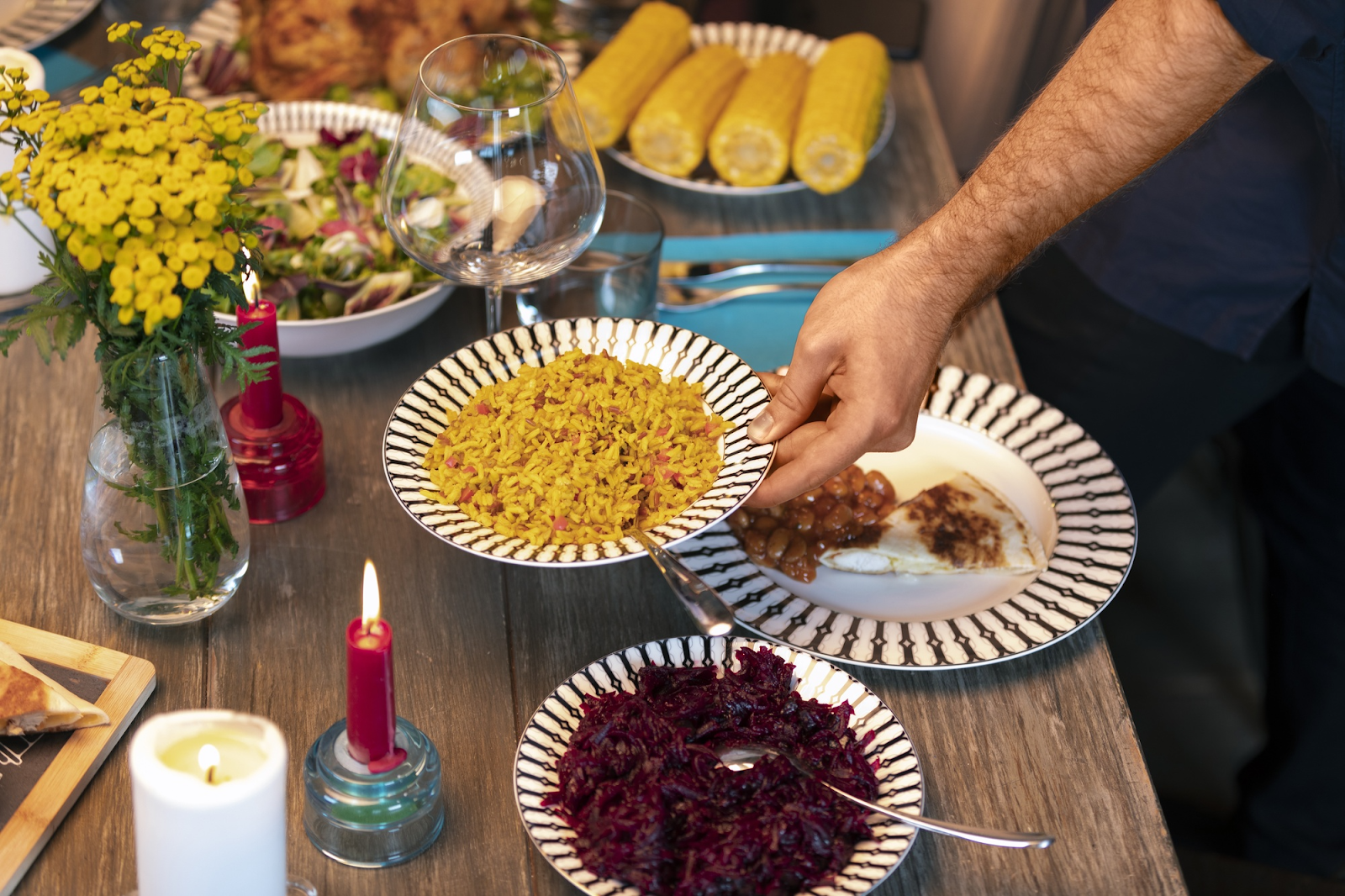
The history of biryani is a story rich with spice, tradition, migration, and cultural exchange. More than just a rice dish, biryani represents centuries of culinary evolution, blending royal indulgence with everyday comfort. It is a dish that carries layers of flavour — and layers of history — in every serving.
From ancient kitchens influenced by Persian travellers to grand feasts prepared for emperors, biryani has travelled far beyond its origins to become one of the most loved Indian rice dishes in the world. What began as a fragrant rice and meat preparation has evolved into countless regional adaptations, each with its own identity and loyal following.
Today, biryani is celebrated by food enthusiasts for its aromatic spices, carefully layered textures, and remarkable versatility. Whether enjoyed as a fragrant chicken biryani or a wholesome vegetarian biryani, every bite carries echoes of craftsmanship, tradition, and shared heritage.
Ancient Roots: The Early Origins of Biryani
The origins of biryani can be traced back to ancient Persia, where a rice and meat dish known as pilaf (or pulao) was widely enjoyed. The word "biryani" itself is believed to derive from the Persian word "birian," meaning "fried before cooking," referring to the technique of lightly frying ingredients before slow cooking.
Early Persian rice dishes emphasised:
- Long-grain rice
- Fragrant whole spices
- Meat cooked gently with aromatics
- Balanced seasoning
- Slow cooking methods
As Persian traders, scholars, and travellers journeyed across Central and South Asia, they brought these culinary traditions with them. Over time, local ingredients and cooking methods blended with Persian techniques, giving rise to early versions of biryani.
Rice cultivation was already prominent in the Indian subcontinent, making it a natural base for adaptation. Indigenous spices such as black pepper, cinnamon, and cloves enhanced the flavour profile. What emerged was a dish that retained its Persian influence while absorbing regional character.
Royal Influence: How Biryani Entered the Royal Kitchens
The history of biryani took a defining turn when it entered royal kitchens during the Mughal era. The Mughal emperors were known for their refined taste and love of elaborate feasts. They sought dishes that were not only nourishing but also visually impressive and aromatic.
Royal chefs elevated biryani into a dish of prestige by incorporating:
- Premium saffron
- Fragrant basmati rice
- Slow-cooked meats
- Caramelised onions
- Nuts and dried fruits
- Sealed pot cooking techniques
One of the most important innovations was the dum method. In this technique, partially cooked rice and marinated meat are layered in a heavy pot, sealed tightly with dough, and slow-cooked over low heat. This allows steam to circulate within the pot, infusing every grain of rice with flavour while keeping the meat tender and moist.
Biryani became a centrepiece at royal banquets and celebrations. It symbolised hospitality, abundance, and refinement. Its preparation required patience and skill, making it a dish worthy of emperors and noble gatherings.
Persian, Mughal & Regional Adaptations
As biryani spread across the Indian subcontinent, it evolved into numerous regional styles. Each region introduced local ingredients, cooking techniques, and flavour preferences.
Some variations became known for their spice intensity, while others emphasised delicate aroma. Coastal regions incorporated seafood. Southern regions introduced coconut and curry leaves. Northern styles leaned toward richer gravies and slow-cooked meats.
Popular regional influences include:
- Hyderabadi biryani with bold spice layering
- Lucknowi biryani with subtle, aromatic flavours
- Kolkata biryani with mild seasoning and potatoes
- Malabar biryani featuring regional spices
This adaptability is one of the key reasons biryani has remained relevant across generations and borders. It is not confined to one identity; instead, it reflects the diversity of cultures that embraced it.
Evolution Across Cultures and Communities
Beyond royal courts, biryani entered homes, street stalls, and community kitchens. It became part of weddings, festivals, and family gatherings. Different communities adopted biryani as their own, adjusting recipes to suit local tastes and dietary customs.
In some households, biryani is a weekly ritual. In others, it is reserved for special occasions. Its flexibility allows it to be both celebratory and comforting.
Migration further expanded biryani's reach. As Indian communities moved to different parts of the world, they carried their recipes with them. Today, biryani is enjoyed globally — from London to Dubai, Singapore to Sydney — and remains one of the most recognised Indian rice dishes internationally.
Popular Biryani Variations You Should Know
Chicken Biryani
Chicken biryani is perhaps the most widely enjoyed variation. Tender pieces of chicken are marinated in yoghurt, ginger, garlic, and spices before being layered with rice and cooked using the dum technique.
Its popularity comes from its balance:
- Juicy, flavourful meat
- Aromatic basmati rice
- Mild to moderate spice levels
- Layered texture
Chicken biryani appeals to both seasoned Indian food lovers and newcomers exploring the cuisine for the first time. It offers richness without overwhelming heaviness, making it a versatile choice.
Vegetarian Biryani
Vegetarian biryani demonstrates that meat is not essential for complexity or satisfaction. This version incorporates seasonal vegetables, paneer, herbs, and carefully blended spices.
Common ingredients include:
- Carrots
- Beans
- Peas
- Cauliflower
- Potatoes
- Fresh coriander and mint
Vegetarian biryani provides vibrant colour, texture, and aroma. It is especially popular among those seeking plant-based Indian rice dishes without compromising on flavour.
The Art of Making Biryani: Rice, Spices & Technique
What sets biryani apart from other rice preparations is the precision involved in its preparation. Each element must be carefully managed.
Rice
Long-grain basmati rice is essential. Its fragrance and ability to remain separate after cooking ensure the dish maintains lightness and texture.
Spices
Whole spices such as cardamom, cinnamon, cloves, and bay leaves infuse the rice with warmth. Ground spices enhance depth without overpowering.
Layering
The layering process ensures balanced flavour distribution. Marinated filling is placed between layers of partially cooked rice, allowing each bite to carry multiple flavours.
Dum Cooking
Sealing the pot locks in steam, creating a self-contained cooking environment. This technique preserves aroma and ensures even cooking.
This meticulous process is why biryani is often reserved for special occasions. It demands patience, skill, and respect for tradition.
Biryani vs Other Indian Rice Dishes
Among Indian rice dishes, biryani stands out for its layered cooking and ceremonial presence. While dishes like pulao are simpler and quicker to prepare, biryani involves multiple stages and complex seasoning.
Key differences include:
- Biryani uses layered cooking; pulao cooks ingredients together.
- Biryani often uses dum; pulao does not require sealing.
- Biryani has a richer, deeper flavour profile.
- Biryani is frequently associated with celebrations.
This distinction has helped biryani maintain its iconic status across centuries.
Why Biryani Remains a Timeless Favourite
The enduring appeal of biryani lies in its versatility and emotional resonance. It adapts to different ingredients and preferences while preserving its identity.
Biryani can be:
- Festive or comforting
- Spicy or mild
- Meat-based or vegetarian
- Traditional or modern
Its layered structure symbolises unity — different elements coming together harmoniously. For many, biryani is more than food; it is a reminder of gatherings, celebrations, and shared meals.
Experiencing Authentic Biryani Today
In today's fast-paced world, enjoying authentic biryani still requires dedication to traditional techniques. Choosing an Indian restaurant that respects these methods ensures the dish retains its historical depth and flavour balance.
At Saffron Cuisine, biryani is prepared with careful attention to rice quality, spice harmony, and slow cooking. Authentic preparation ensures that every serving reflects the craftsmanship behind this iconic dish.
If you're exploring a wide range of flavours, browsing the Indian cuisine menu or the Indian lunch menu is a great way to discover classic and contemporary dishes. For anyone searching for the best Indian food in Brisbane, understanding the history and technique behind biryani adds appreciation to every bite.
A Dish That Connects Past and Present
The history of biryani is a testament to how food transcends time, borders, and cultures. From Persian roots to Mughal refinement and regional creativity, biryani has evolved into a global culinary treasure.
Today, whether served at a royal banquet centuries ago or enjoyed at a modern dining table in Brisbane, biryani continues to bring people together. It represents tradition, adaptation, and the shared joy of a beautifully prepared meal.
Frequently Asked Questions (FAQs)
What is the origin of biryani?
Biryani originated from Persian rice dishes that evolved through Mughal influence and regional adaptations in the Indian subcontinent.
Why is biryani associated with royalty?
Mughal emperors refined and popularised biryani in royal kitchens, elevating it into a luxurious dish.
What makes biryani different from other rice dishes?
The layered cooking method, aromatic spice blend, and dum technique distinguish biryani from simpler rice preparations.
Is vegetarian biryani authentic?
Yes. Vegetarian versions have long been part of culinary tradition and are widely enjoyed.
Why is chicken biryani so popular?
Its balanced flavour, tender texture, and moderate spice level make it appealing to a broad audience.
Can biryani be eaten as an everyday meal?
While traditionally celebratory, biryani is now enjoyed both casually and on special occasions.
What type of rice is used in biryani?
Long-grain basmati rice is preferred for its fragrance and texture.

