
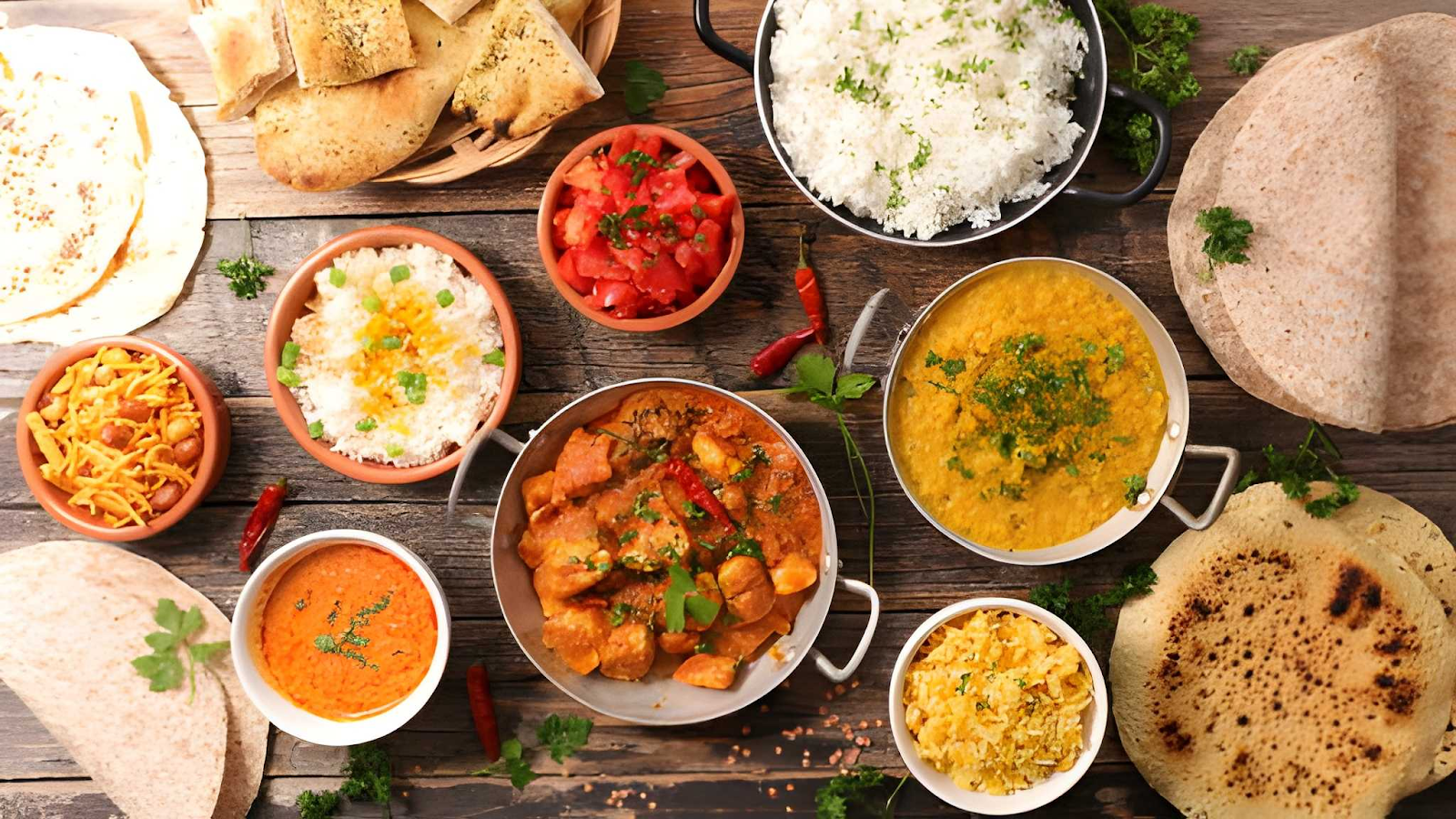
Indian cuisine is often celebrated for its rich flavours, aromatic spices, and diverse regional dishes. However, beyond taste and tradition, Indian food stands out globally for its profound connection to health and holistic well-being. Rooted in ancient wisdom and supported by mindful cooking practices, Indian cuisine offers a balanced approach to nourishment that aligns perfectly with modern wellness goals.
The health benefits of Indian food come from its thoughtful use of spices, plant-based ingredients, seasonal produce, and cooking methods inspired by Ayurveda. Rather than focusing on extremes, Indian food encourages balance, digestion, and long-term vitality. This makes it especially appealing to health-conscious individuals and wellness seekers looking for sustainable dietary habits.
A Deep Connection Between Food and Well-Being
Indian food is not merely about eating; it is about nurturing the body, mind, and digestive system. Traditional Indian cooking places strong emphasis on how food is prepared, combined, and consumed. Meals are designed to support digestion, enhance nutrient absorption, and maintain internal balance.
The philosophy behind Indian cuisine recognises that every ingredient has a purpose. Traditional Indian cuisine menus are thoughtfully structured to create balance, combining grains, lentils, vegetables, and spices in a way that supports overall well-being. Spices are not added solely for flavour but for their functional role in digestion and immunity. This intentional approach to menu planning is a key reason why Indian food is considered one of the healthiest cuisines in the world.
Ayurveda Cooking: A Holistic Foundation
One of the most powerful aspects of Indian cuisine is its foundation in Ayurveda cooking. Ayurveda, an ancient system of wellness, views food as medicine. According to this philosophy, the right food choices help maintain harmony within the body.
Ayurveda cooking focuses on:
- Balancing natural energies through food
- Using fresh and seasonal ingredients
- Supporting digestion through warming spices
- Preparing meals that are light yet nourishing
This approach avoids overly processed ingredients and encourages mindful eating. By aligning meals with natural rhythms, Indian food supports sustained energy and overall wellness rather than temporary stimulation.
The Role of Spices in Health
Spices are the backbone of Indian cuisine and a major contributor to its health value. Each spice carries unique properties that support digestion, immunity, and internal balance.
Turmeric Health Benefits
IAmong the most recognised spices, turmeric holds a central place in Indian kitchens. It is traditionally used to support internal cleansing, digestion, and joint comfort. Turmeric health benefits also include its ability to promote balance within the body when consumed regularly as part of meals.
Rather than relying on supplements, Indian food incorporates turmeric naturally into daily cooking, making it an effortless part of a healthy lifestyle.
Other commonly used spices such as cumin, coriander, ginger, and black pepper are valued for their warming and digestive properties. Together, they help the body process food more efficiently and maintain internal harmony.
Lentils and Legumes: Nourishment Through Simplicity
Indian cuisine makes extensive use of lentils, beans, and pulses, which are dietary staples across the country. These ingredients are valued not only for their versatility but also for their nutritional richness.
Lentils Protein and Digestive Support
Lentils protein plays a crucial role in supporting muscle health and sustained energy, especially within vegetarian diets. When cooked with traditional spices, lentils become easier to digest and more nourishing.
Indian cooking methods such as soaking, slow cooking, and spice tempering enhance the digestibility of lentils. This makes them suitable for daily consumption without overwhelming the digestive system.
Plant-Based Indian Food and Balanced Nutrition
A significant portion of Indian cuisine is naturally plant-based. Vegetables, grains, legumes, nuts, and seeds form the core of most traditional meals. This emphasis on plant-based Indian food supports gut health and long-term wellness.
Rather than eliminating food groups, Indian meals focus on balance. A typical meal often includes:
- Vegetables for fibre and vitality
- Lentils or legumes for nourishment
- Whole grains for sustained energy
- Spices to aid digestion
This balanced structure supports satiety without heaviness, making Indian food both comforting and health-supportive.
Mindful Cooking Methods
Another reason Indian food is considered healthy lies in its cooking techniques. Traditional methods prioritise slow cooking, gentle simmering, and minimal processing. These practices help preserve the natural qualities of ingredients.
Frying, when used, is often brief and done with purpose, such as releasing the aroma and benefits of spices. Steaming, pressure cooking, and roasting are also common, allowing meals to retain flavour while remaining nourishing.
Seasonal and Regional Eating
Indian cuisine adapts naturally to seasons. Different ingredients and spices are used depending on climate and availability. Cooling foods are preferred during warmer months, while warming spices and hearty dishes are favoured in colder periods.
This seasonal approach supports digestion and comfort throughout the year. Eating in harmony with nature is a core principle that enhances the overall health benefits of Indian food.
Digestive Health at the Core
Indian meals are structured to support digestion from start to finish. Spices stimulate digestive fire, fibre-rich foods support gut movement, and fermented foods contribute to internal balance.
Common accompaniments such as yoghurt-based dishes and lightly spiced sides are traditionally included to create harmony within the meal. This attention to digestion helps prevent discomfort and supports nutrient absorption.
Why Indian Food Suits Modern Wellness Lifestyles
In today’s fast-paced world, many people seek diets that promote long-term health without rigidity. Indian food aligns naturally with this goal. It offers variety, adaptability, and nourishment without relying on artificial enhancements.
For wellness seekers, Indian cuisine provides:
- Naturally diverse flavours
- Balanced plant-based options
- Digestive-friendly meals
- Time-tested cooking wisdom
These qualities make Indian food suitable for those seeking sustainable and mindful eating habits.
Conclusion
Indian food stands out as one of the healthiest cuisines in the world due to its deep connection with nature, digestion, and holistic well-being. Through Ayurveda cooking, thoughtful use of spices, and a strong foundation in plant-based ingredients, Indian cuisine supports balance rather than extremes.
The health benefits of Indian food are not driven by trends but by centuries of mindful practice. For health-conscious individuals and wellness seekers, Indian cuisine offers nourishment that respects both the body and the rhythm of life. If you would like to explore this approach to mindful eating further or have questions about incorporating it into your lifestyle, get in touch with us to learn more.
Frequently Asked Questions (FAQs)
Why is Indian food considered healthy?
Indian food focuses on balance, digestion, and natural ingredients. Its use of spices, plant-based foods, and mindful cooking methods supports overall well-being.
Is Indian food suitable for a plant-based lifestyle?
Yes, plant-based Indian food is deeply rooted in tradition and offers a wide range of nourishing vegetarian options.
What makes Ayurveda cooking different from modern diets?
Ayurveda cooking prioritises digestion, seasonal eating, and internal balance rather than calorie counting or restriction.
Are spices in Indian food beneficial for health?
Yes, spices are used intentionally to support digestion and internal harmony, contributing to long-term wellness.
Can Indian food support daily energy and vitality?
Indian meals are designed to be nourishing yet light, helping maintain steady energy levels throughout the day.

